
Being Proud in Sobriety and Recovery

By MJ Gottlieb
CEO/co-Founder of Loosid
Introduction: Owning Our Journeys
For many, the idea of sobriety starts quietly. We enter the rooms of recovery unsure of ourselves, cloaked in secrecy and fear of judgment. Over time, though, something remarkable happens: we discover that sobriety isn’t merely about avoiding substances, it’s about learning who we are and being unafraid to stand in that truth.
Pride in recovery isn’t arrogance; it’s the deep knowledge that we’ve faced something powerful and survived. It’s a sense of freedom, a relief, and a new connection to life. For those who approach recovery without religious belief, that pride often comes from relying on human connection, practical tools, and a renewed sense of self-worth.
Today, more people than ever are choosing to speak openly about sobriety. Being proud of recovery has become an act of personal courage and a way to help others know they’re not alone. It’s time to explore why that matters so much.
The Power of Being Proud, Not Just “Anonymous”
Anonymity has long been a bedrock of recovery communities. It protects privacy, preserves dignity, and shields us from the sting of stigma. For countless individuals, it’s essential. Yet, for some, anonymity also brings a shadow side: the feeling that our recovery must remain hidden, as though sobriety itself is something to be ashamed of.
Being proud of sobriety doesn’t mean disregarding privacy or boasting. It means honoring the profound changes we’ve achieved. It means showing the world that people in recovery are strong, compassionate, creative, and deeply human. It’s about reshaping public perception and letting others see that sobriety is not a life of lack but one full of possibility.
Speaking out can be as simple as sharing our stories with friends or as bold as discussing our journeys online. Each voice that rises challenges stereotypes and helps chip away at the stigma that often keeps others suffering in silence.
For those in secular recovery, this openness has another layer of meaning: it’s a statement that a fulfilled, sober life doesn’t require religious faith but can be built on human connection, reason, and self-discovery.
Breaking Shame and Stigma
Shame and secrecy often drive the addiction cycle. Many of us lived double lives, presenting one face to the world while hiding chaos behind closed doors. When we first get sober, that shame doesn’t always vanish. It can linger, whispering that we’re damaged or different.
But shame thrives in darkness. Speaking honestly about our journeys is one of the surest ways to weaken its hold. When we name our past struggles, we often find that others relate to our pain and admire our courage. We discover that sharing our stories turns vulnerability into strength.
Pride in recovery helps transform the narrative. Instead of focusing on what we’ve lost, we can talk about what we’ve gained: clarity, freedom, healthier relationships, and the confidence to face life’s challenges without substances.
This shift not only helps us individually. It impacts how society views addiction. When people see thriving individuals living sober lives, it challenges old stereotypes. It helps create a world where seeking help is viewed as strength, not failure.
In secular communities like AA Agnostica, dismantling shame is doubly important. It’s proof that we can heal and grow even without religious belief, leaning on shared humanity and mutual support.
Sobriety Without Religion: Finding Pride in a Secular Path
One of the quiet struggles for many people in recovery is feeling out of place in settings heavily rooted in religious language or concepts. For atheists, agnostics, or secular folks, references to a higher power can feel alienating. Yet sobriety and pride in sobriety don’t belong exclusively to any faith.
Secular recovery emphasizes personal responsibility, rational thinking, and practical tools. It finds meaning in human connection rather than divine intervention. It’s built on shared experiences, honest conversation, and mutual encouragement.
Being proud of a secular path is about celebrating resilience. It’s acknowledging that we’ve found a way to stay sober without needing supernatural explanations. It’s proof that logic and community can be powerful forces for change.
For many, discovering groups like AA Agnostica is life-changing. It offers a space where people can speak freely without having to translate or adapt their beliefs. It reminds us that sobriety is for everyone, regardless of religious views.
Sharing secular recovery stories publicly can help others realize they’re not alone. It shines a light on paths that exist outside of traditional structures, opening doors for those searching for a different kind of hope.
Community Beyond Meetings: Digital Tools and New Connections
Recovery used to be limited to local meetings, printed pamphlets, and phone calls. Today, the landscape has changed dramatically. Digital tools have created new spaces for connection, learning, and support. For those who prefer secular recovery, these spaces can be a lifeline.
Online communities let people explore recovery on their own terms. Forums, chat groups, and apps help individuals connect with others who share similar beliefs or who simply want sobriety to be part of a normal, everyday life.
Apps like the Loosid Sober App bring together sober communities in innovative ways. Users can track milestones, join virtual groups, engage in sober dating, or discover sober events happening locally. For those who’ve felt out of place in traditional meetings, these platforms can offer a fresh sense of belonging.
Digital spaces also empower people to “recover out loud” if they choose. Sharing sober anniversaries, writing blogs, or posting on social media helps normalize sobriety and shows others that a fulfilling life without substances is possible.
These new tools don’t replace in-person connection, but they add another layer of support. For those navigating recovery without religious belief, online networks can be places where secular values and sober living intersect beautifully.
Recovering Out Loud: Stories That Inspire
Human beings connect through stories. Few things are as powerful as hearing someone describe how they overcame darkness and found a way forward. Sharing stories publicly has become one of the strongest tools in the recovery movement, and it’s changing lives in profound ways.
Recovering out loud is a choice. It’s not mandatory, and privacy remains sacred. But for those who feel ready, telling the world about sobriety can transform silence into hope.
Stories from secular recovery are especially valuable. They show that it’s possible to build a meaningful life without relying on religious frameworks. They help others see that rational thinking, self-inquiry, and human connection can be sufficient sources of strength.
Whether told in a room of friends, written in a blog post, or shared through an app like Loosid, these stories ripple outward. They help break stereotypes and offer practical proof that recovery works.
The impact is immense. A single honest account of sobriety can reach someone teetering on the edge, unsure if recovery is possible. It can convince them that life can improve, and that they deserve pride, not shame.
Sober Merch: A Method of Proud, Public Recovery
Sobriety is often an inner transformation, but many people are finding ways to express it outwardly, too. Wearing sober-themed clothing or accessories has become a meaningful way to share pride in recovery. From shirts with simple slogans to bracelets, hats, and art, sober merchandise lets individuals show the world that sobriety is part of who they are.
For some, it’s a quiet reminder of personal strength. For others, it’s a conversation starter or a way to help break the stigma around addiction. Wearing a shirt that reads “Sober and Proud” or displaying recovery-themed artwork can be a small yet powerful act of claiming one’s story and celebrating a new way of life.
Many brands and independent creators now offer sober merchandise, helping people blend recovery into everyday style. One place to explore these options is the Loosid Sober Shop, which offers a range of clothing and accessories designed for those who want to wear their sobriety with pride.
For secular individuals, sober merch provides a way to express recovery without religious overtones, focusing instead on personal resilience and community. It’s another tool for recovering out loud or simply carrying a quiet symbol of strength wherever you go.
Sobriety is worth celebrating, and sometimes the clothes we wear can help us stand tall in that truth.
Conclusion: An Invitation to Stand Tall
Pride in sobriety isn’t reserved for any particular faith or philosophy. It belongs to anyone who has chosen to change their life, who has faced addiction and come through stronger.
For secular individuals, that pride shines in discovering inner strength, building authentic connections, and finding practical ways to stay sober. It’s in showing the world that recovery is a life reclaimed, not a punishment.
If you’re ready to share your story, speak your truth, or simply wear your sobriety with quiet pride, know that you’re part of a growing movement. Sobriety is worth celebrating, and so are you.
This article was written by The Loosid Team, dedicated to supporting people on their journey to a vibrant, sober life. Loosid was co-founded by MJ Gottlieb, who, after overcoming his own struggles with addiction, made it his mission to help others find connection, tools, and pride in recovery. Through the Loosid Sober App and Loosid Sober Shop, the team works to build a community where sobriety is celebrated and no one has to walk the path alone.


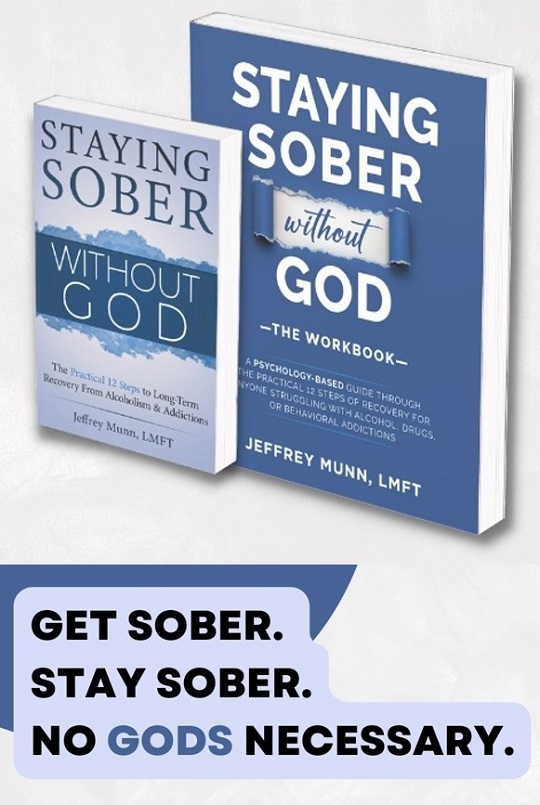
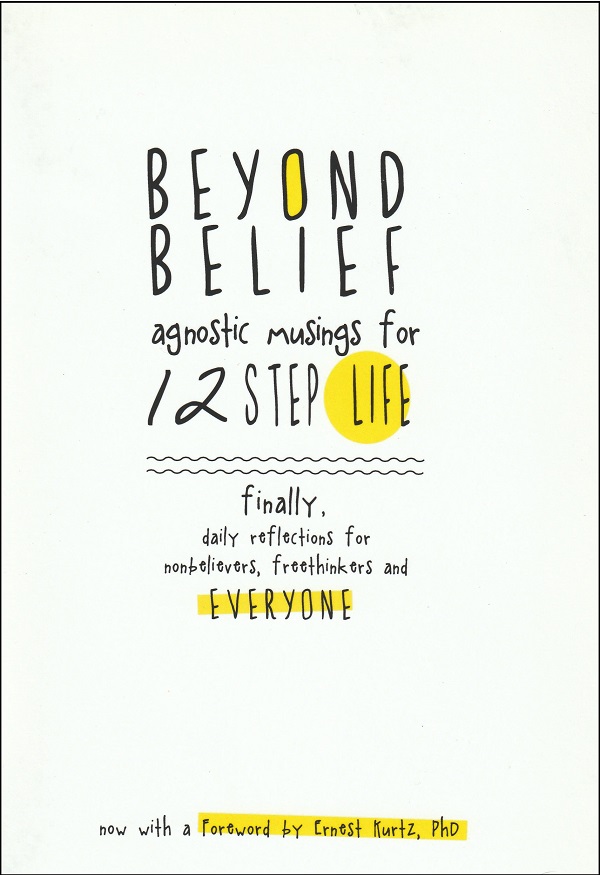
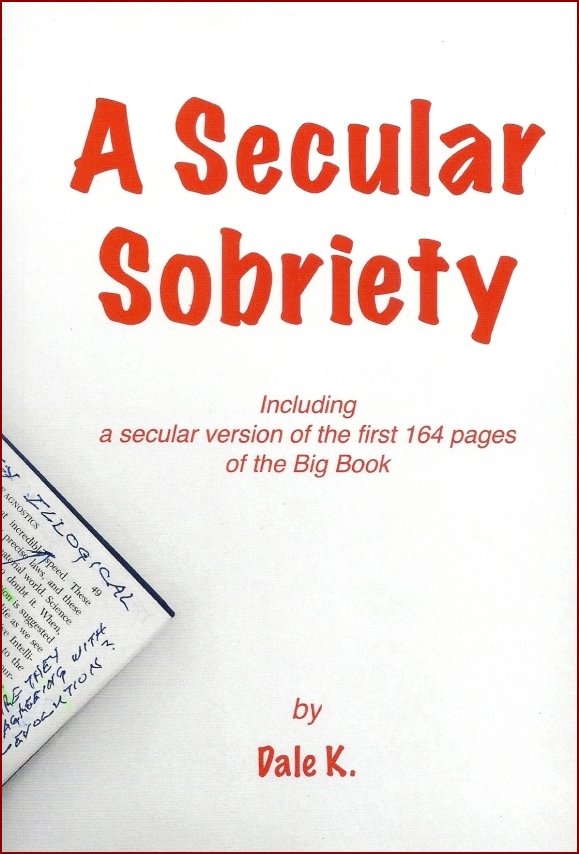
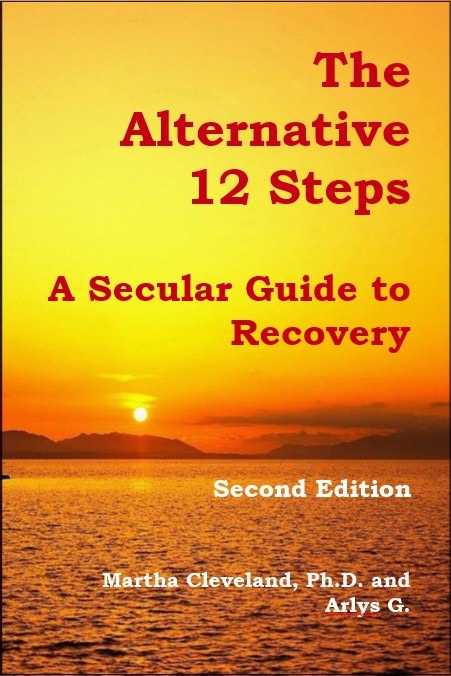






The more options available to the many who want so desperately to recover, the better, and, as always, a cause for celebration.
Many thanks to The Loosid Team.
Thank you so much for the well written and inspiring article. I am so glad that sobriety and recovery are coming out of the Stone Age and being presented in a way that modern society can relate to. Community, self-worth, effort and fellowship is how I stay sober-not repeating a religious oriented script!
Thank you for the tee-shirt commercial. Much appreciated.